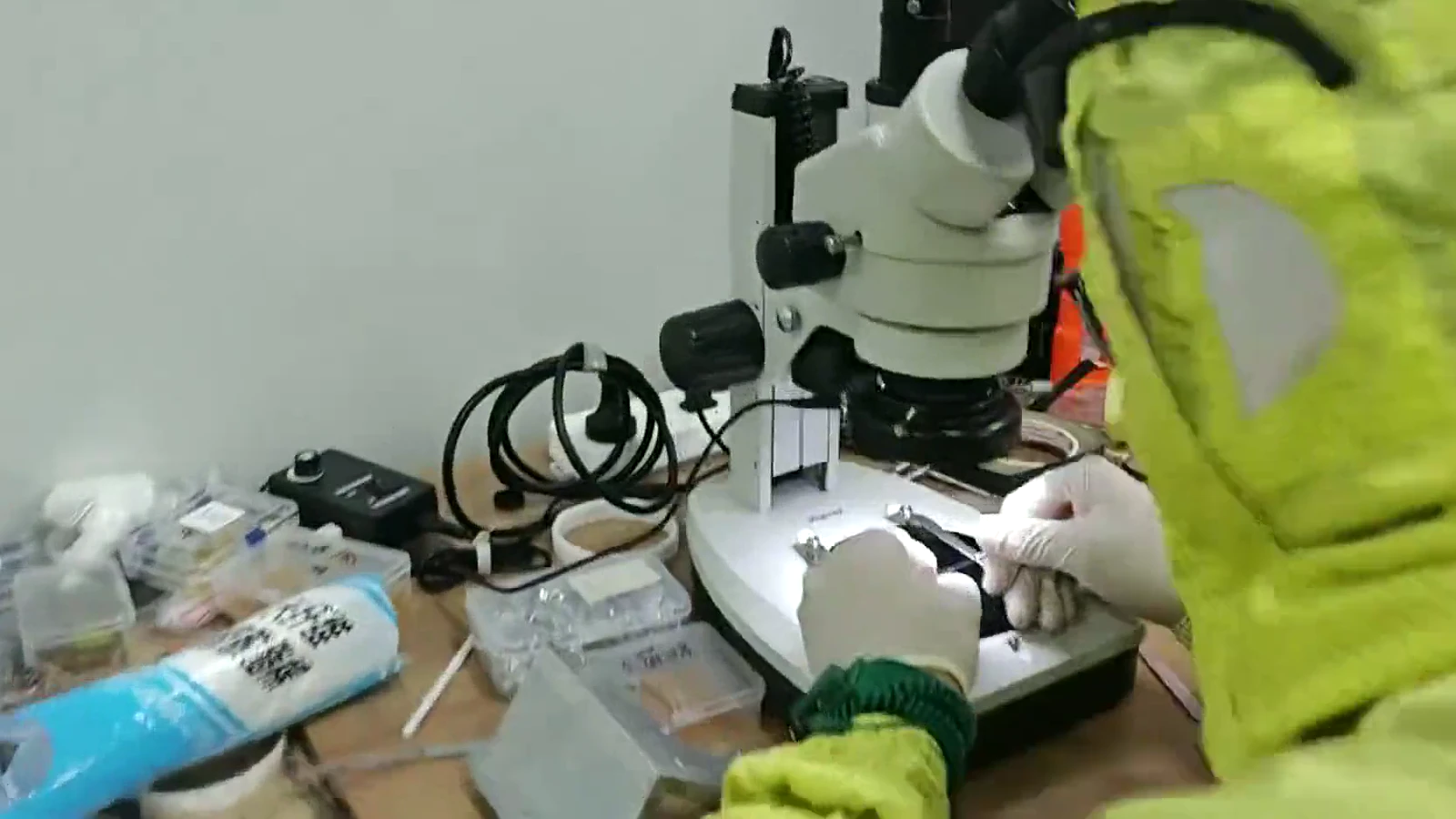
Application evaluation
Handheld instruments
Fit the instrument around the task.
Fit the instrument around the task.
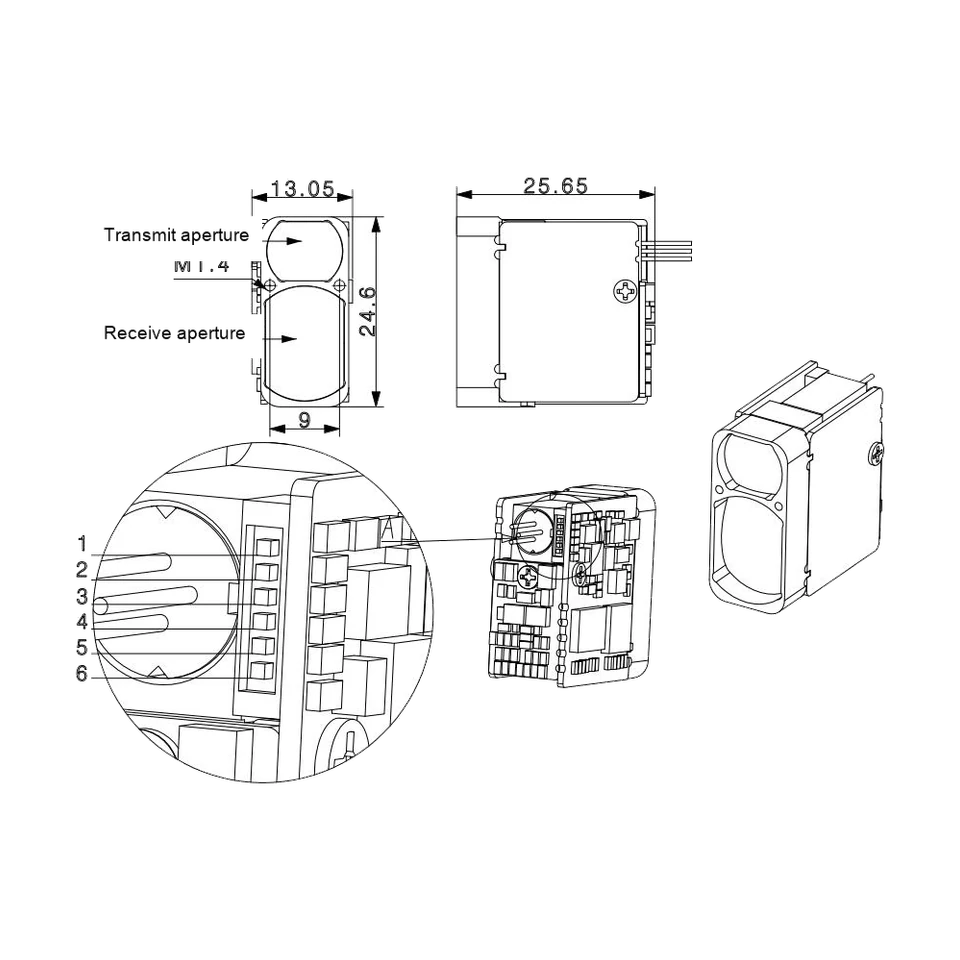
For a portable distance-measurement instrument, start with the housing, optical opening and how the user will take a reading. Review the candidate module’s dimensional drawing before committing to the enclosure.
Available space, battery and supply design, optical alignment and the required measurement conditions. For LRF1200A1, confirm the separate transmit and reply checksum rules before integration.
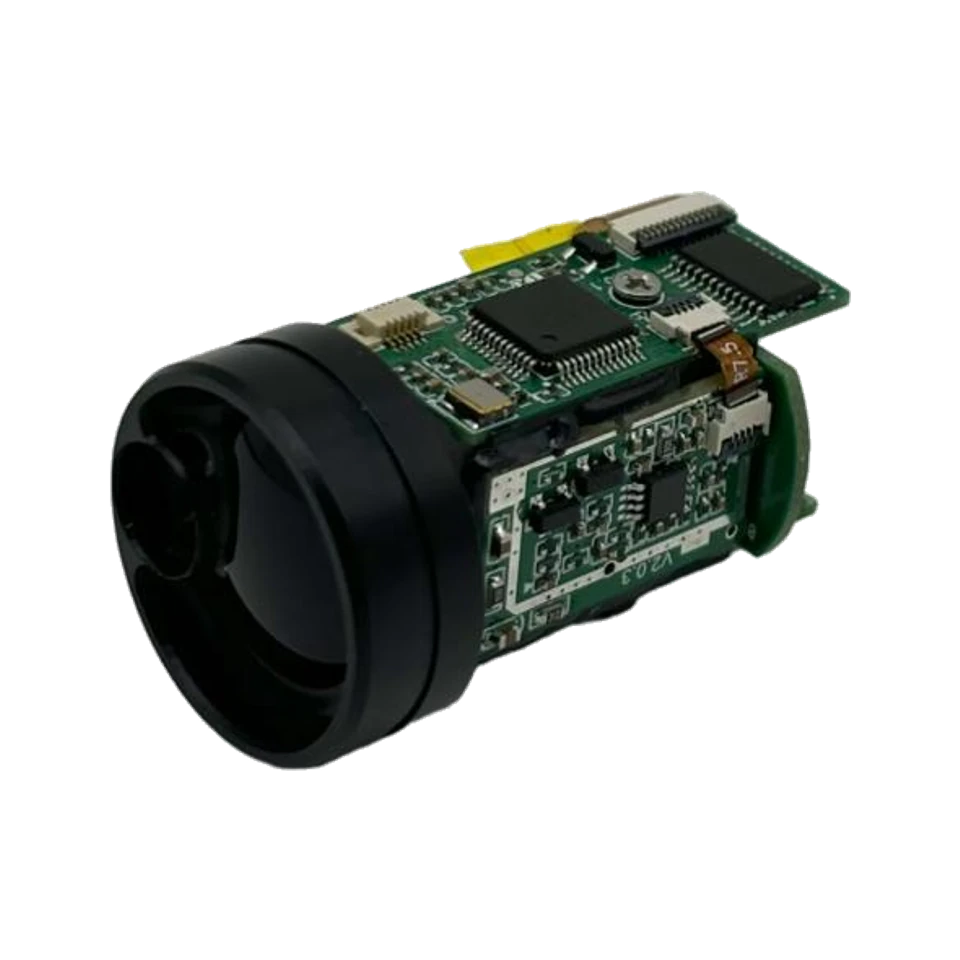 LRF1200A1
Design around the complete system.
Bring the measurement conditions and integration constraints into the same review.
01Housing and optics+
Review available space, the optical opening, alignment and how the user will take a reading. Check the model drawing before committing to the enclosure.
02Battery and supply+
Bring the battery and supply design together with the required measurement conditions. Check the model’s electrical specifications before evaluation.
03Transmit and reply checksums+
For LRF1200A1, confirm the separate transmit and reply checksum rules before integration. Do not treat both verification scopes as identical.
From the module to the host.
LRF A series · UART, TTL 3.3 V
Build from the model’s own documentation.
Check the supply, signal levels, pinout and output format for the exact model and revision. Request any missing detail before connecting your hardware.
LRF1200A1Explore other applications.
Bring us the requirement.
Share the distance, object surface, interface, space constraints and quantity. Include a model number if you already have one in mind.
Confirm the current datasheet and laser safety documentation for the specific model and revision. Final suitability depends on your complete device and its operating conditions.